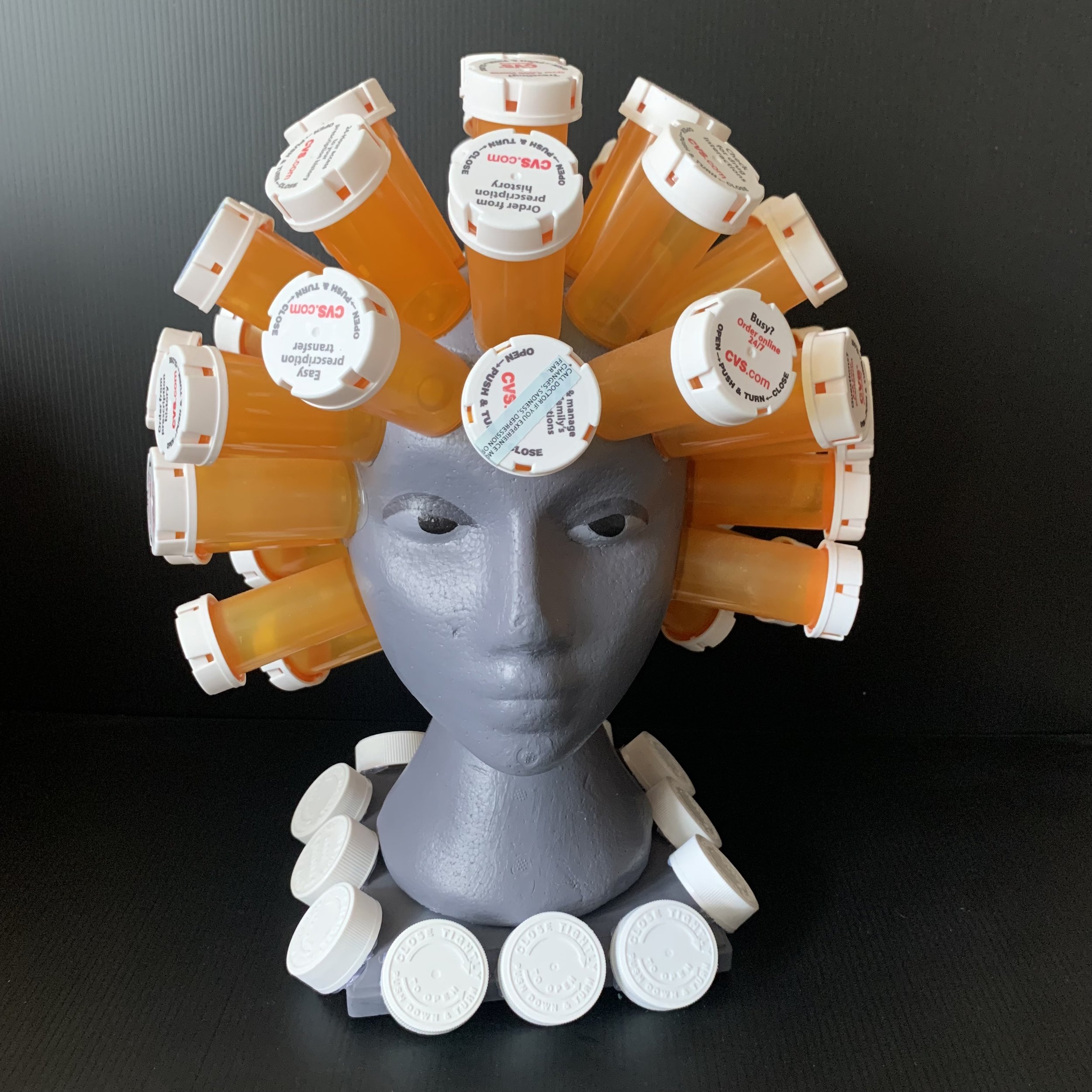
It all started with an idea to describe what life is like for those living with epilepsy. I wanted to capture the emotional journey that many people experience but few are willing to discuss due to the fear of judgment. Epilepsy is more than just seizures; it includes constant changes in medication, a decreased quality of life, and feelings of sadness, anger, anxiety, and shame. For some individuals, epilepsy can become a lifelong battle. I created this series to help healthcare providers better understand the challenges that often go unspoken.
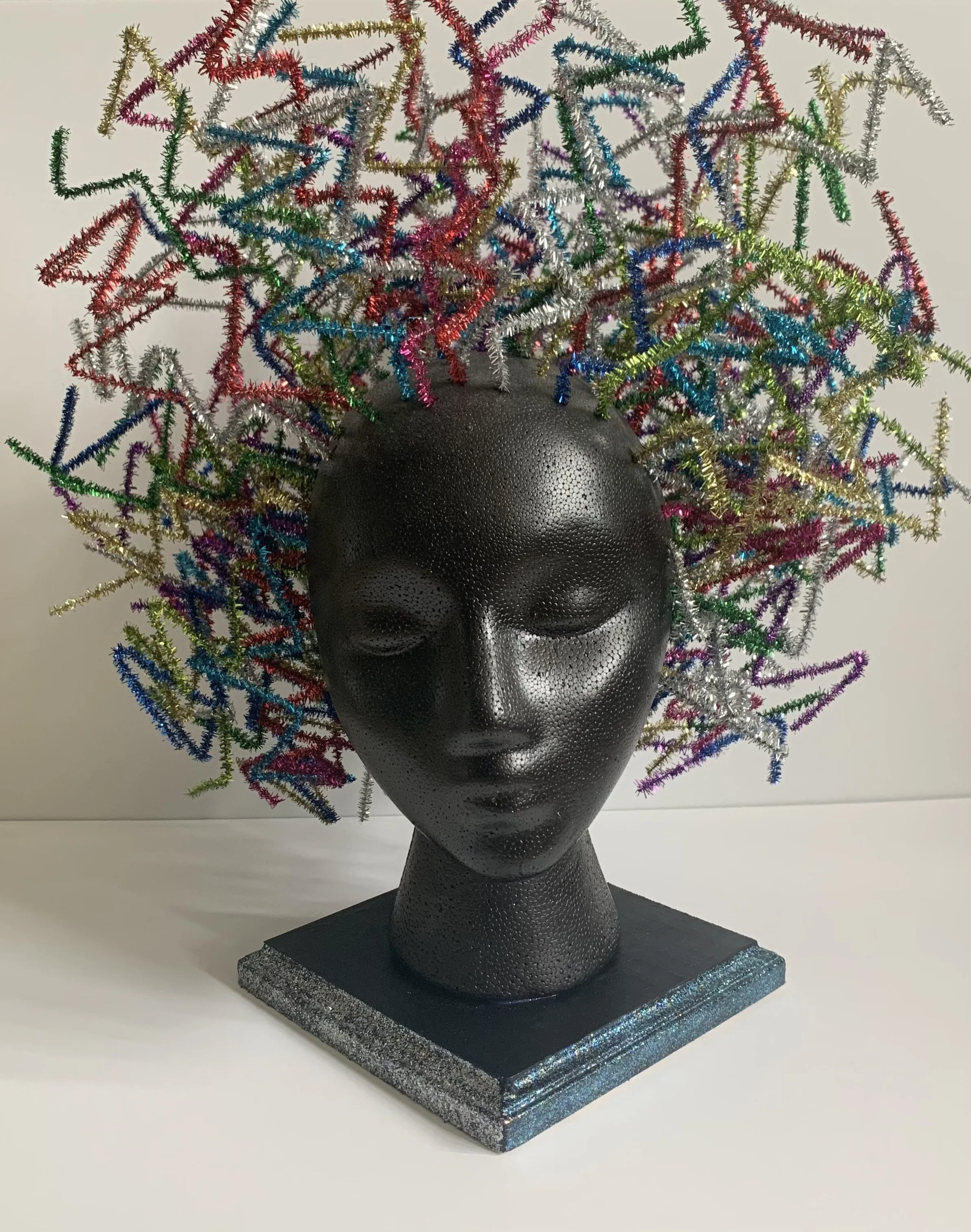
Generalized Seizures: The pipe cleaners on the head represent the seizure, which affects the entire brain and causes the person to become unconscious. The black color represents shame and stigma.
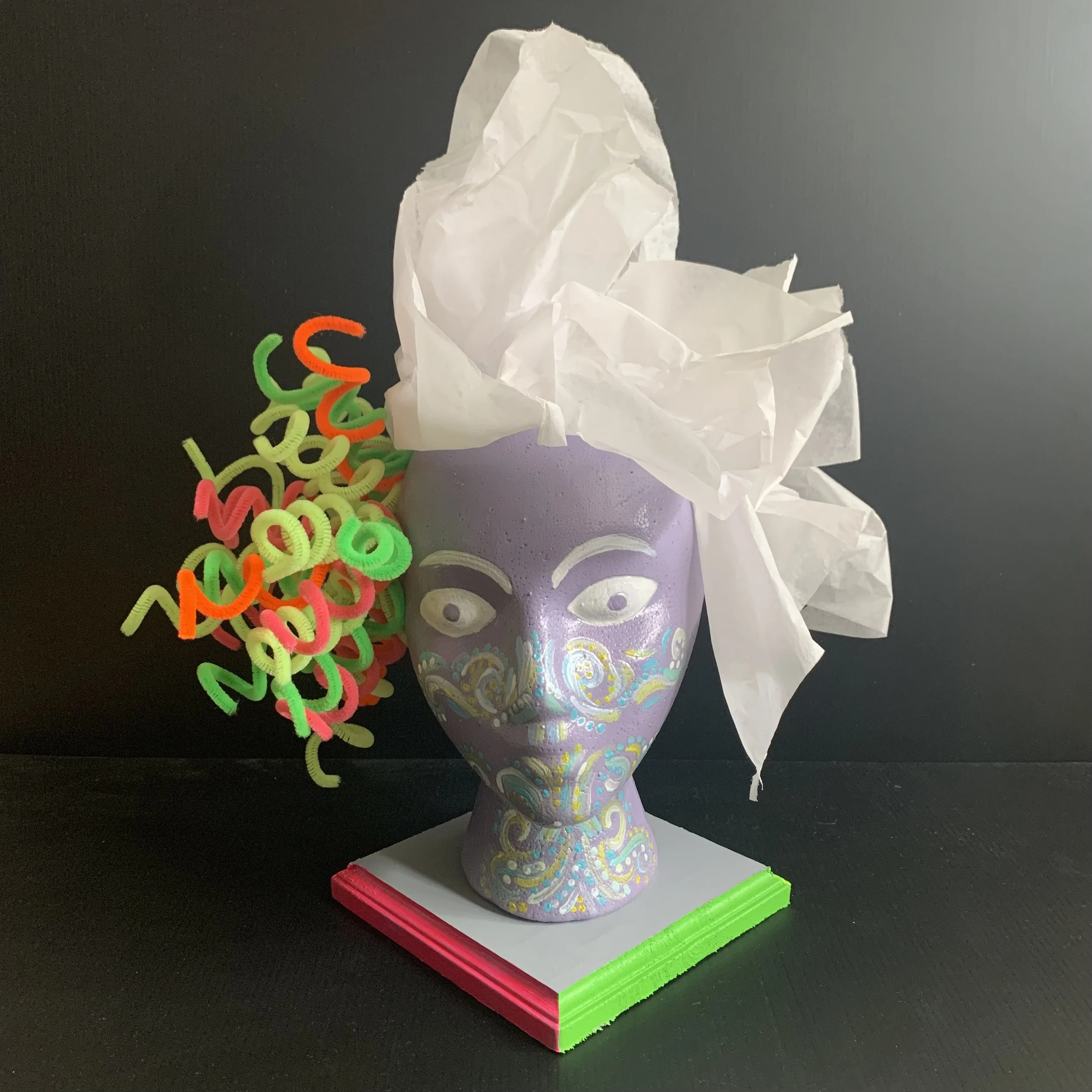
Focal Seizures: The pipe cleaners in this image symbolize a focal seizure. Individuals experiencing focal seizures may have auras before the seizure occurs, which can manifest as unusual sensations, tastes, or smells. I aimed to capture this feeling through the designs on the face. During the seizure, a person may stare with wide-open eyes or be unresponsive for a few seconds to several minutes. The tissue paper represents the out-of-body experience that I occasionally felt.
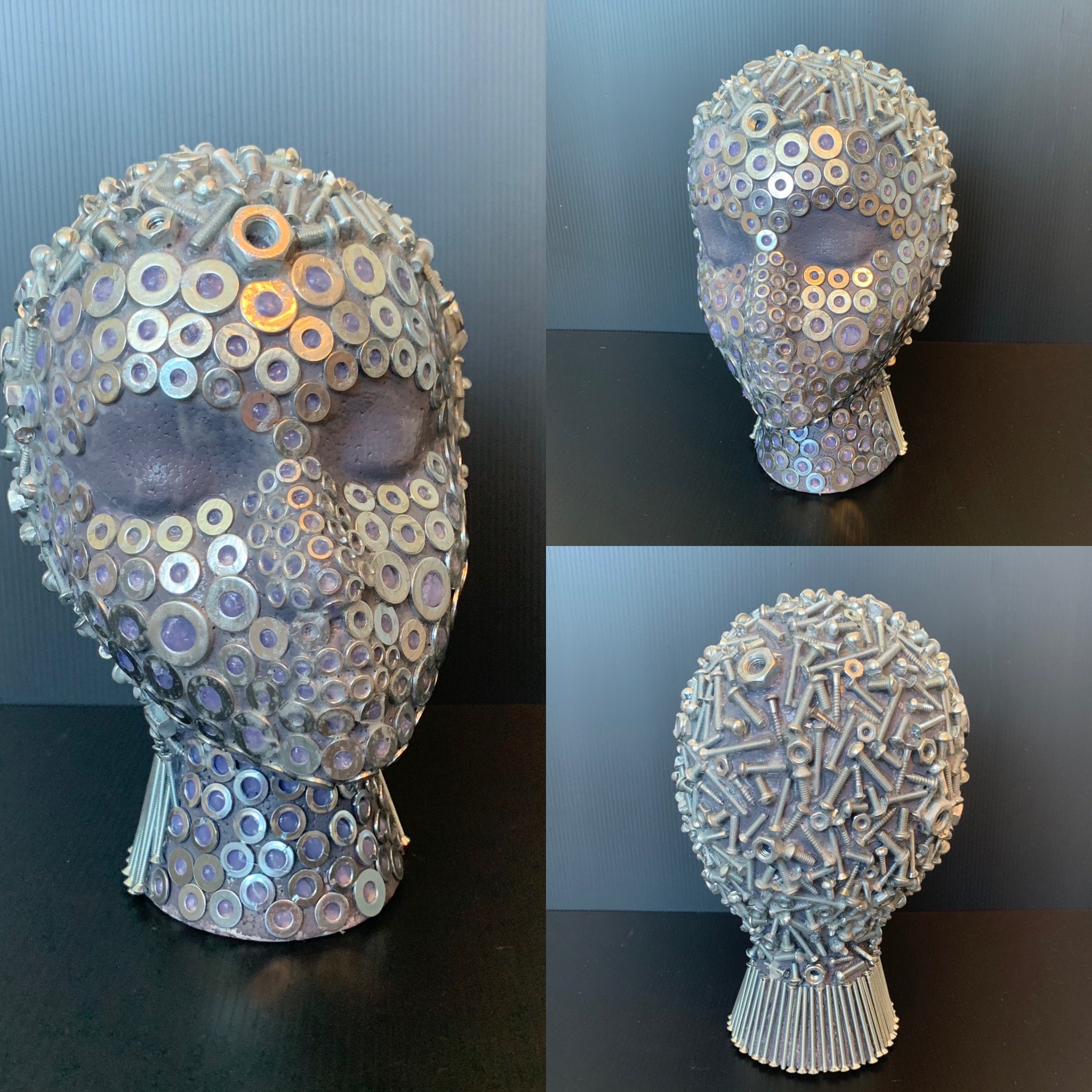
I don't want to talk about it! This piece is intended to feel hollow, cold, and lifeless. The metal symbolizes armor; it shields what is difficult to share, such as feelings of isolation, loneliness, and sadness.
Lost Within: Individuals in the epilepsy community frequently undergo numerous medication changes, which can lead to feelings of numbness, fogginess, lethargy, and difficulty concentrating. This sculpture seeks to convey this experience.
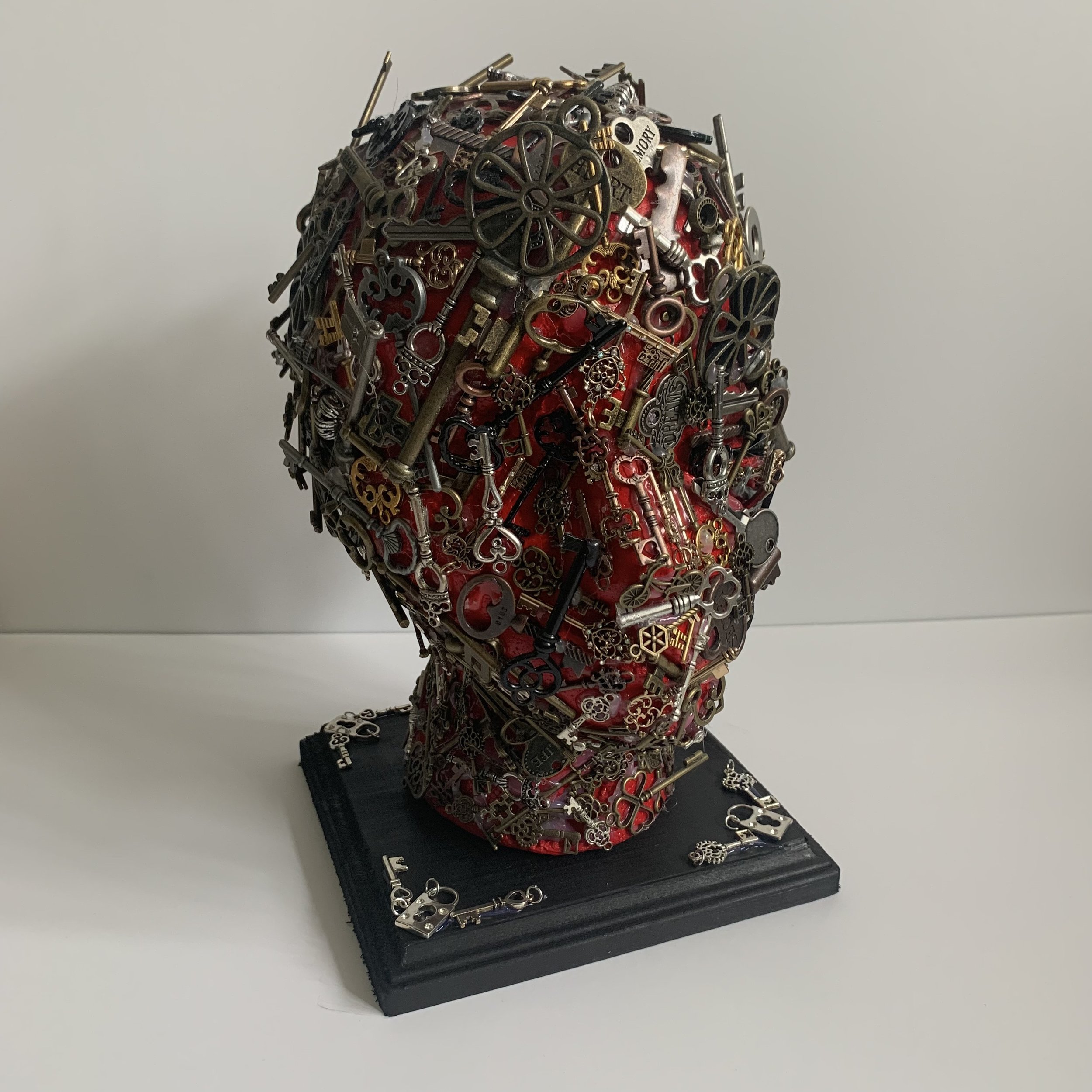
Starting Over, Again! While depression is often discussed, anger tends to receive less attention. Due to my seizures, I've lost my independence. The color red represents my anger, and the keys symbolize that loss of independence; everyone else had the keys, but I did not.
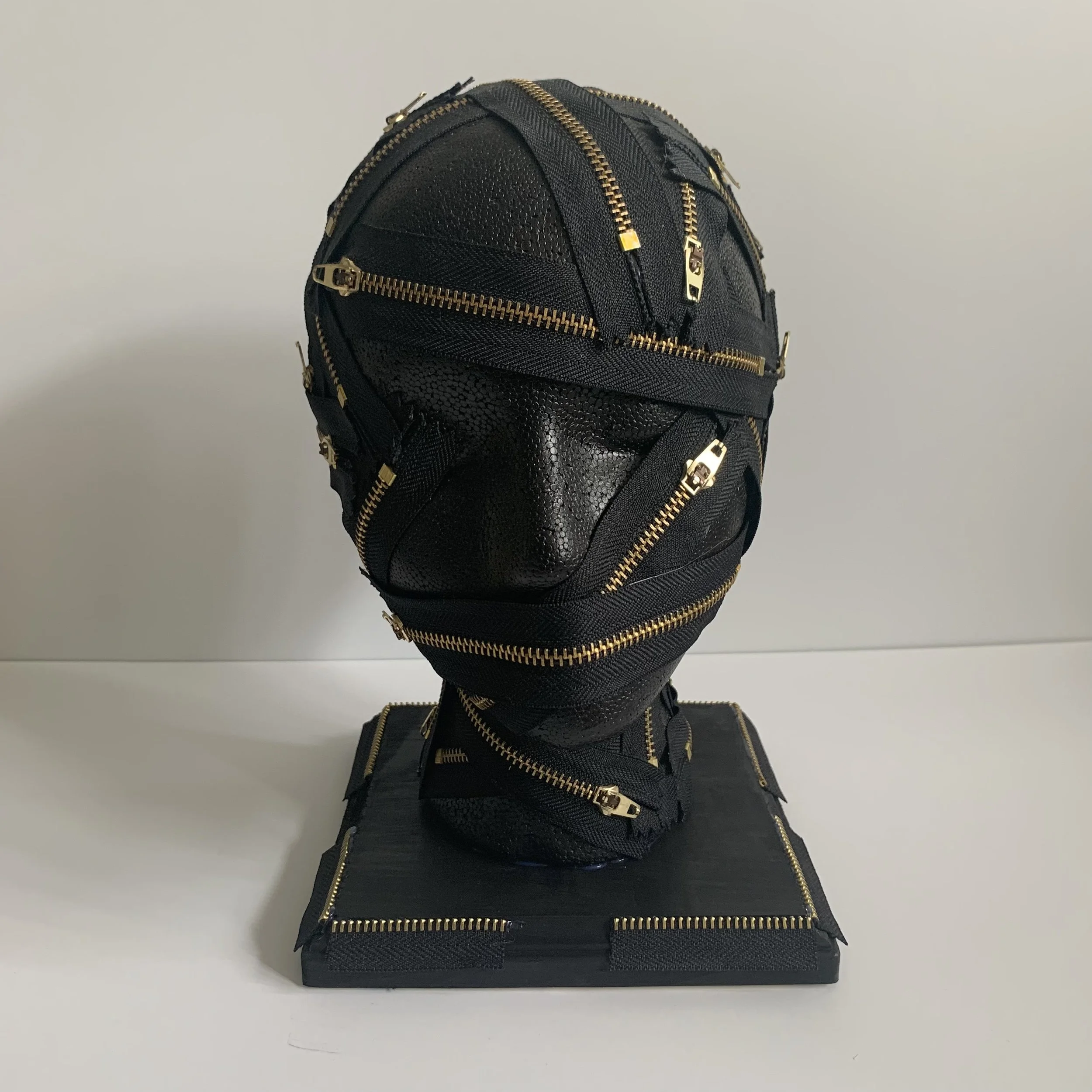
Shh... Don't Talk About It! This piece is intended to evoke feelings of ugliness, loneliness, struggle, and stigma. It represents shame and fear. Sharing experiences about seizures can be challenging, as individuals may be viewed as liabilities, unemployable, unworthy, or subject to bullying by society.
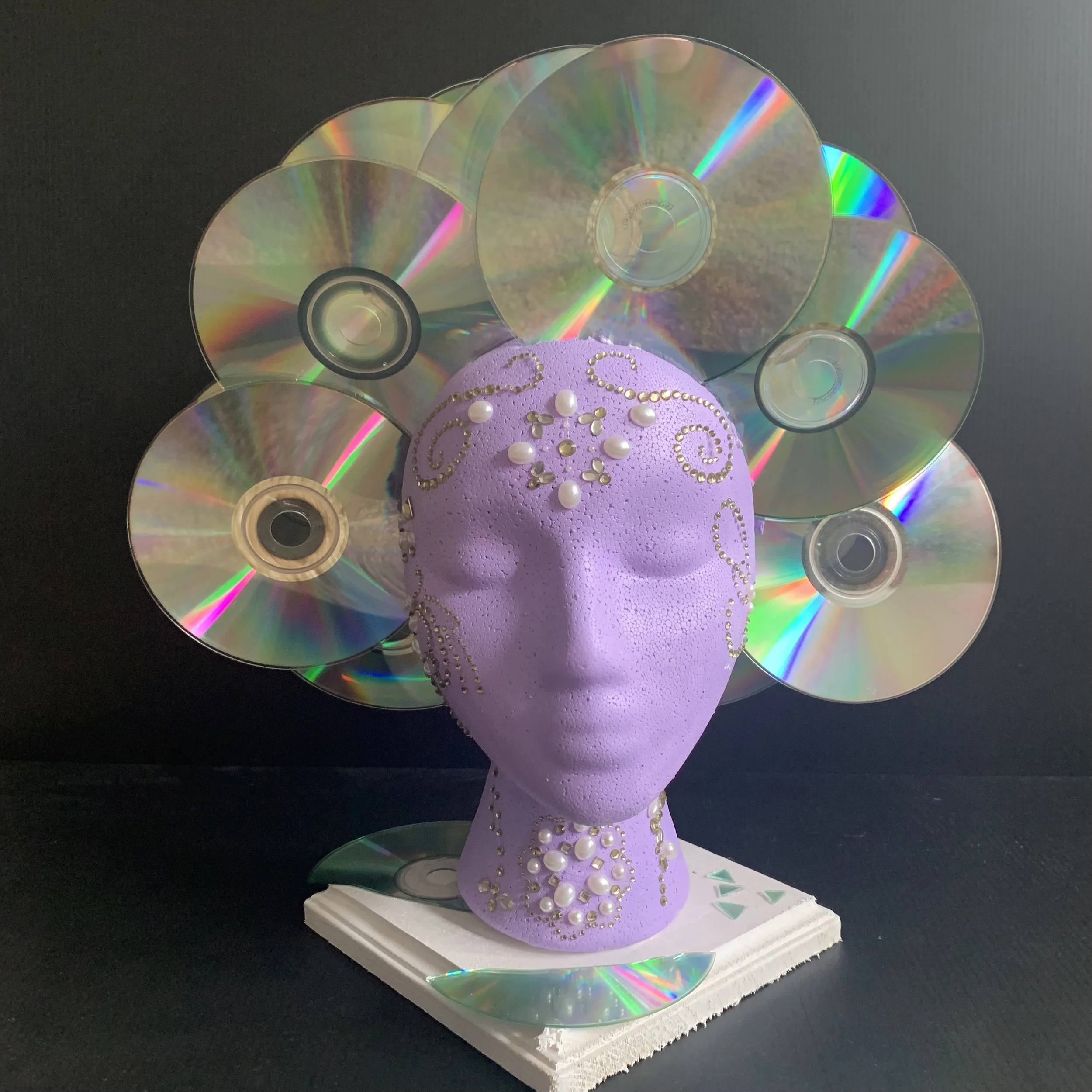
My External Hard Drives: This piece is intended to evoke memories of loss. Everyone had my memories except for me. I felt like the seizures took my memory; the broken CD at the base of the sculpture illustrates this.
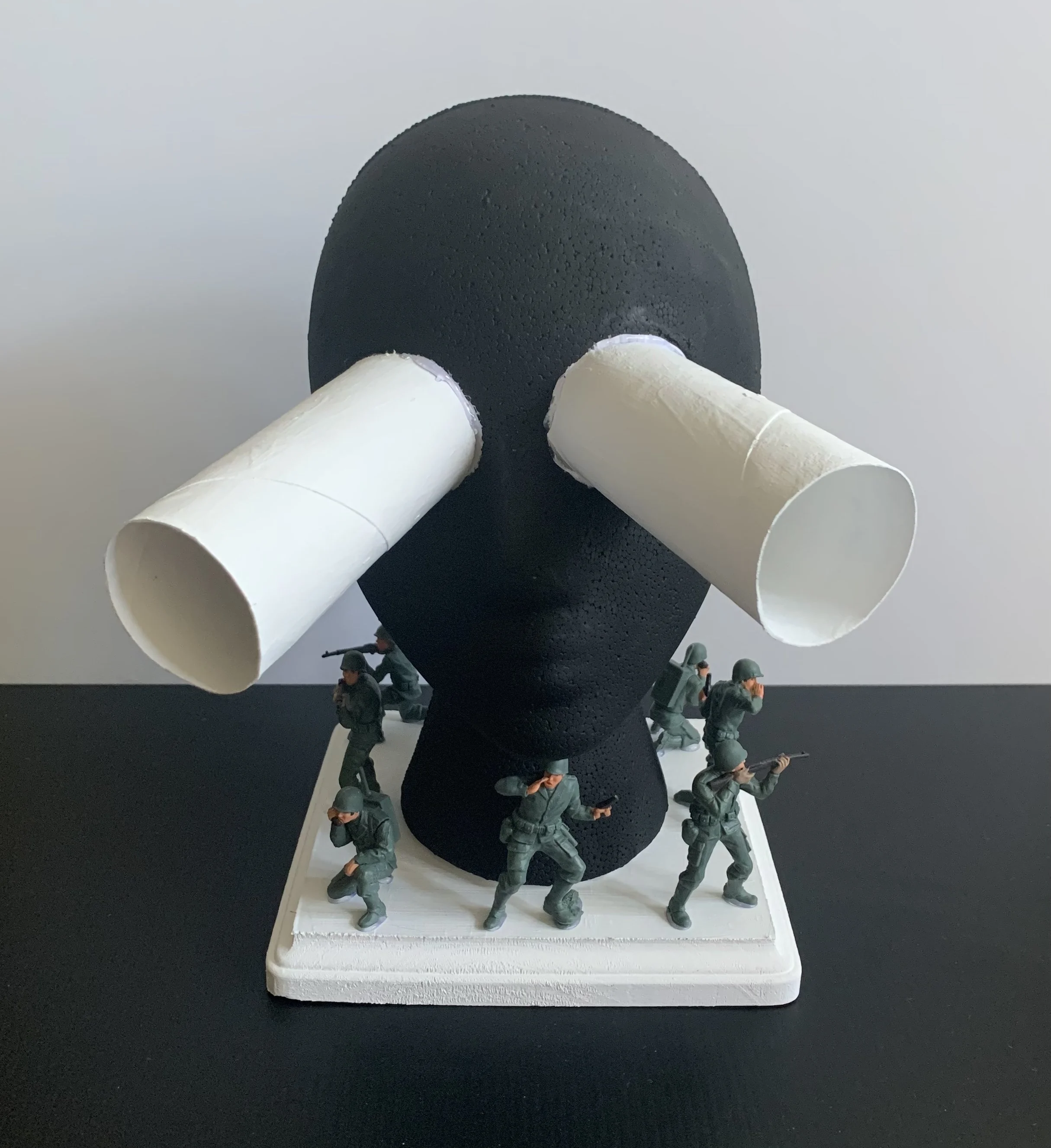
Securing the Perimeter: This piece illustrates the fear my support system had for me because, while living with seizures, I could not see the frightening parts of the world. I had tunnel vision.
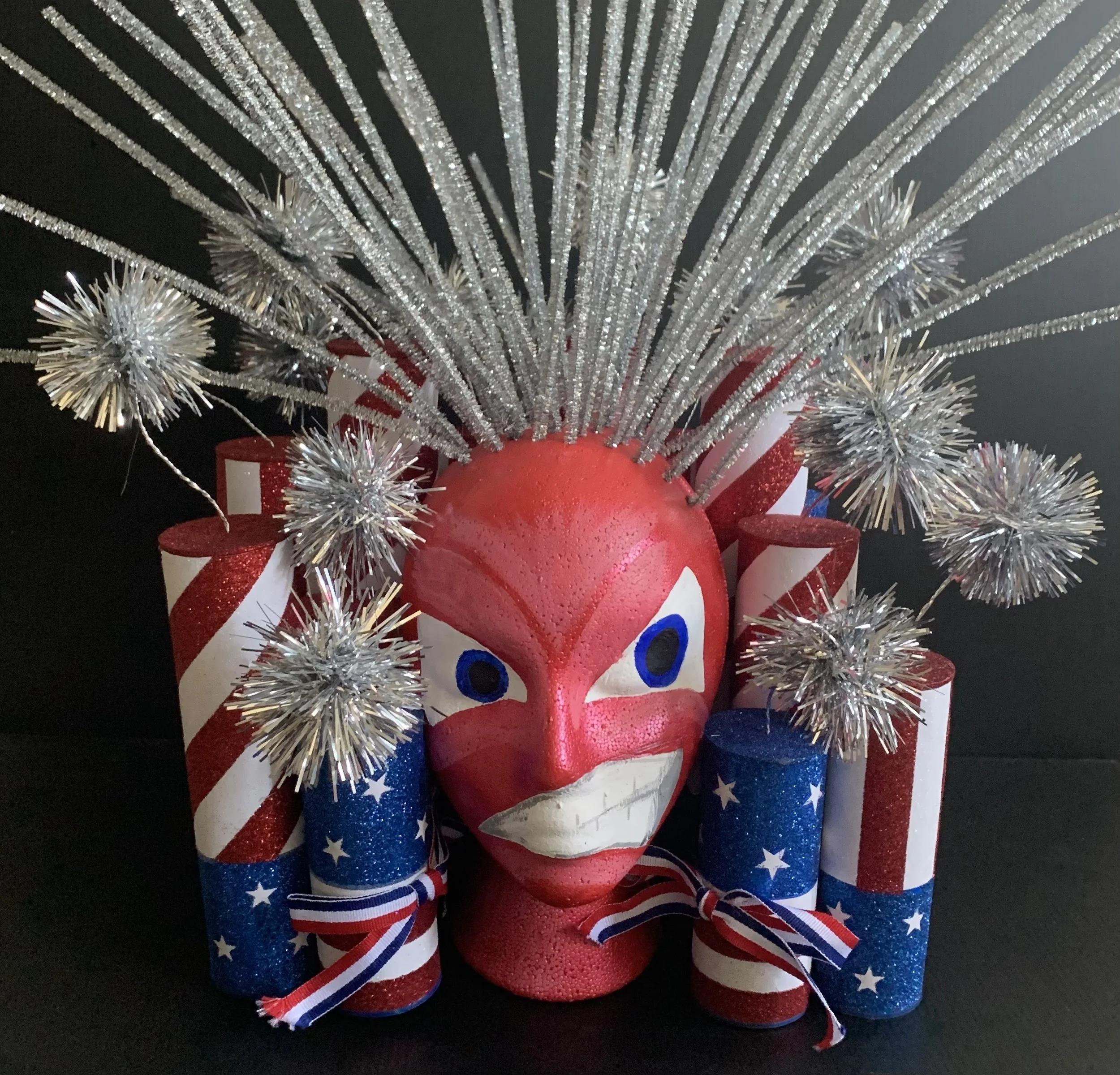
I Do It Myself! I wanted my independence during seizures; over-monitoring maked me feel trapped and reactive.
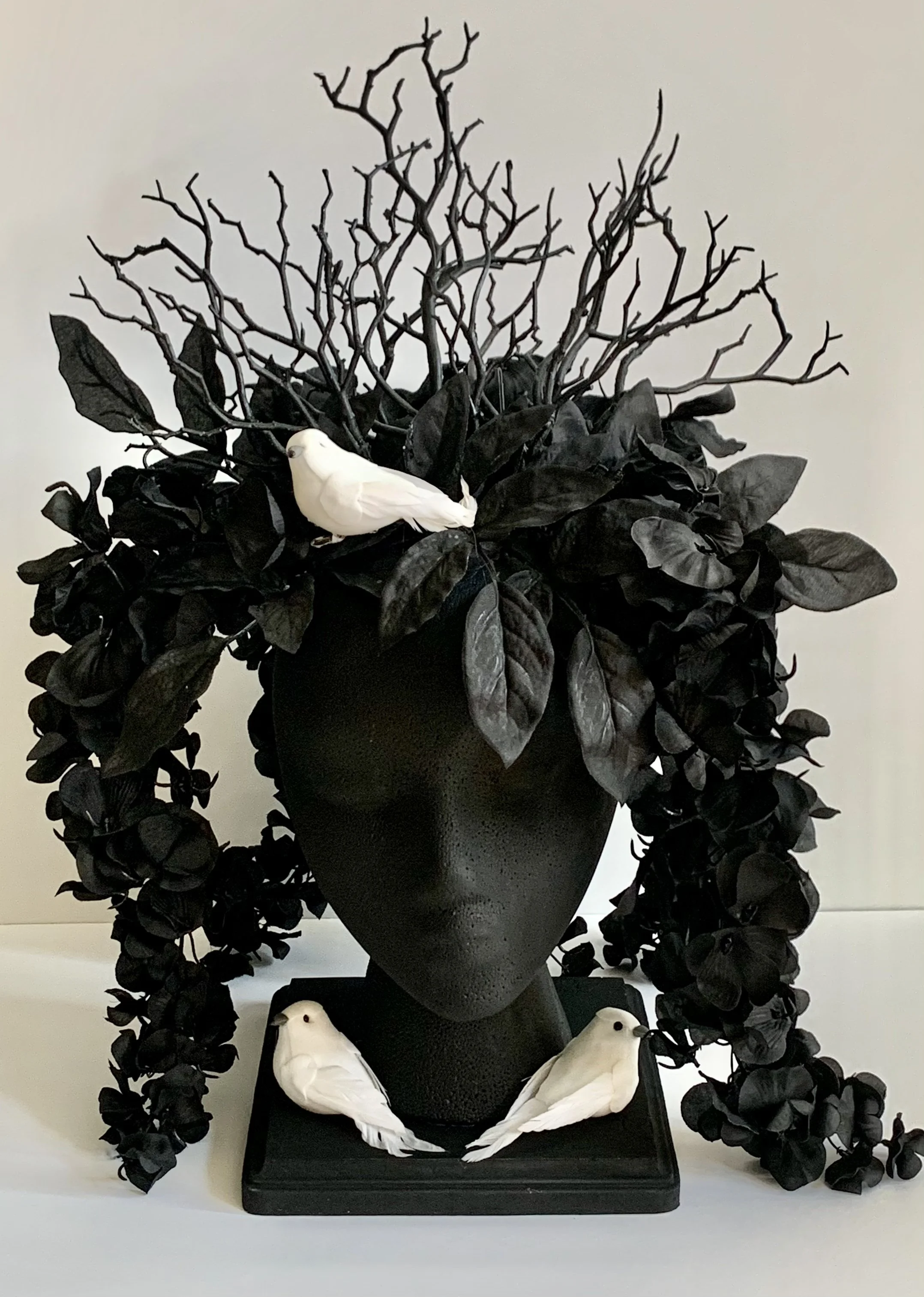
We Were Looking For Hope This piece illustrates the burden of epilepsy on the individual and their family, who feel depressed, hopeless, and discouraged. The white birds symbolize hope and the possibility of brain surgery.

The Transformation: This piece reflects my experience with brain surgery. The mechanics on the face symbolize how my seizures impacted my speech and reading comprehension. After the surgery, my abilities began to flourish, represented by the flowers and butterflies on the sculpture. The distortion of the face signifies the changes I underwent, including a shift in my identity.